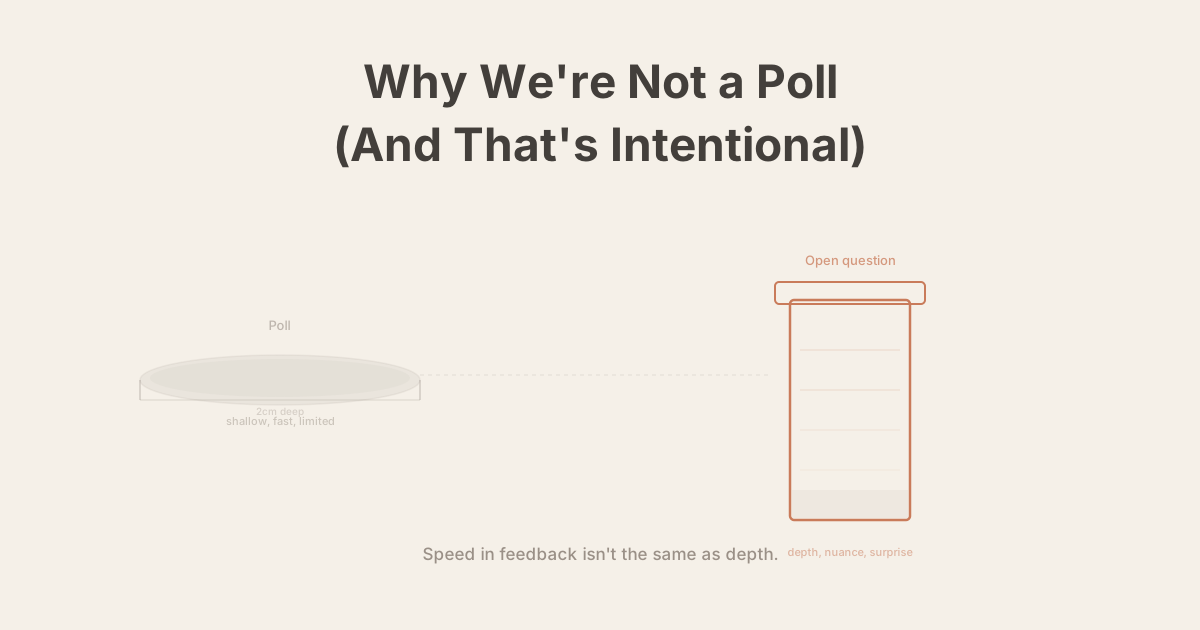
Open-Ended Questions vs. Multiple Choice: A Data Perspective
Multiple choice is efficient. Open-ended is messy. And the "rate + optional text" format most creators use produces the worst of both.
Insights, stories, and perspectives from the AskEveryone community. Explore how collective voices shape understanding.

Multiple choice is efficient. Open-ended is messy. And the "rate + optional text" format most creators use produces the worst of both.

Some questions generate hundreds of responses. Others get almost nothing. The difference is in the question, not the audience.
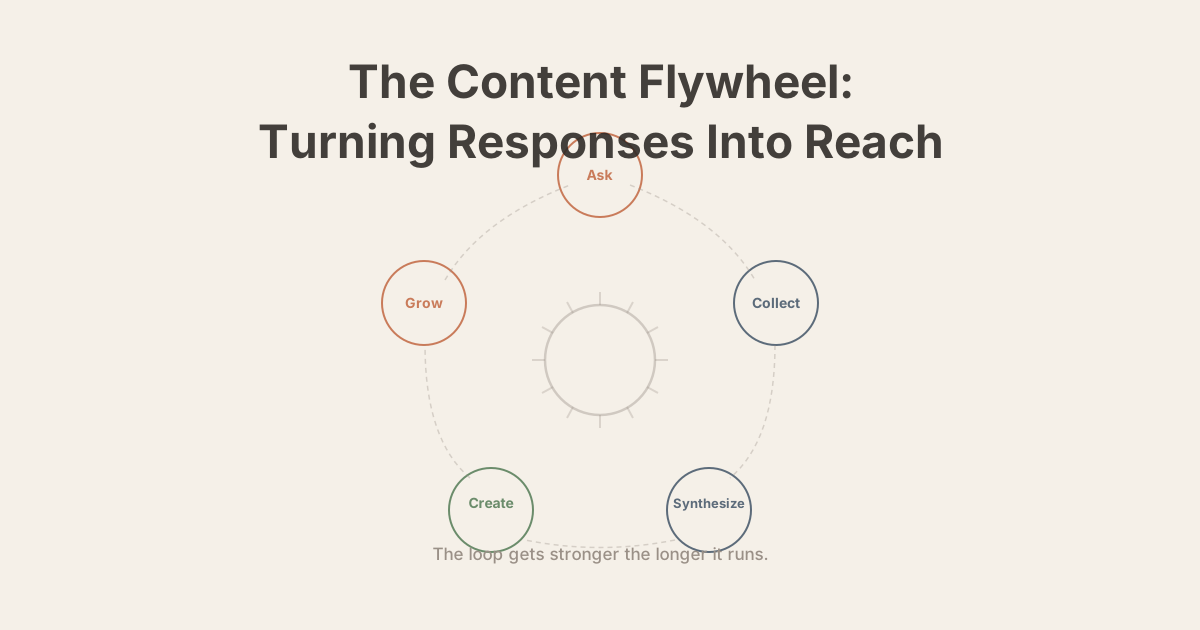
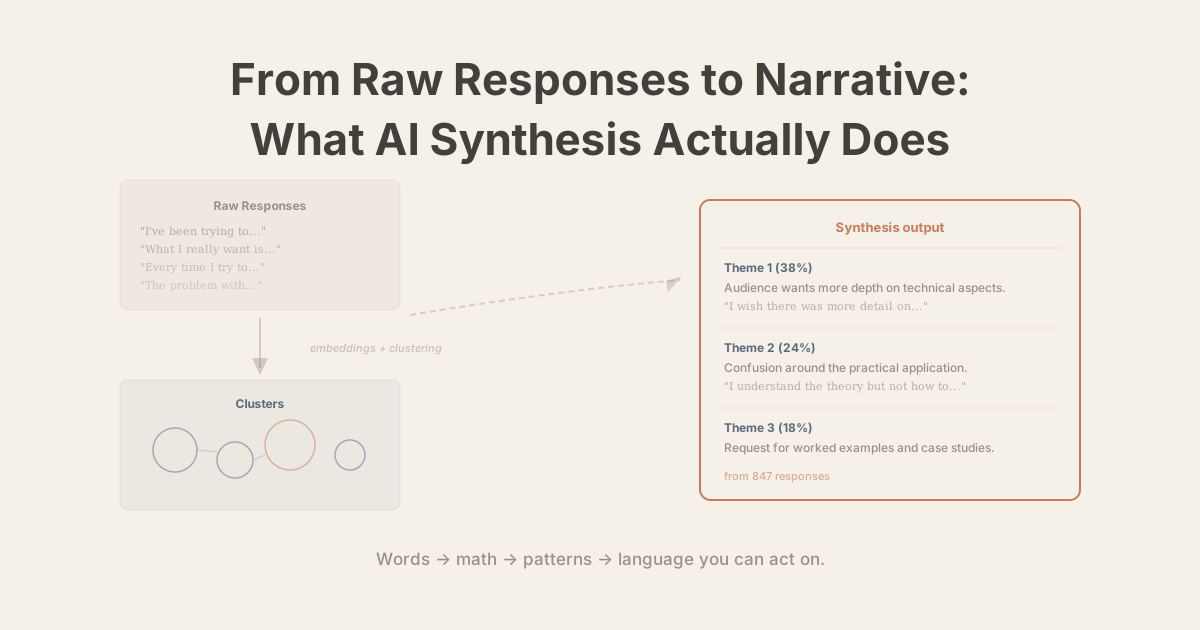
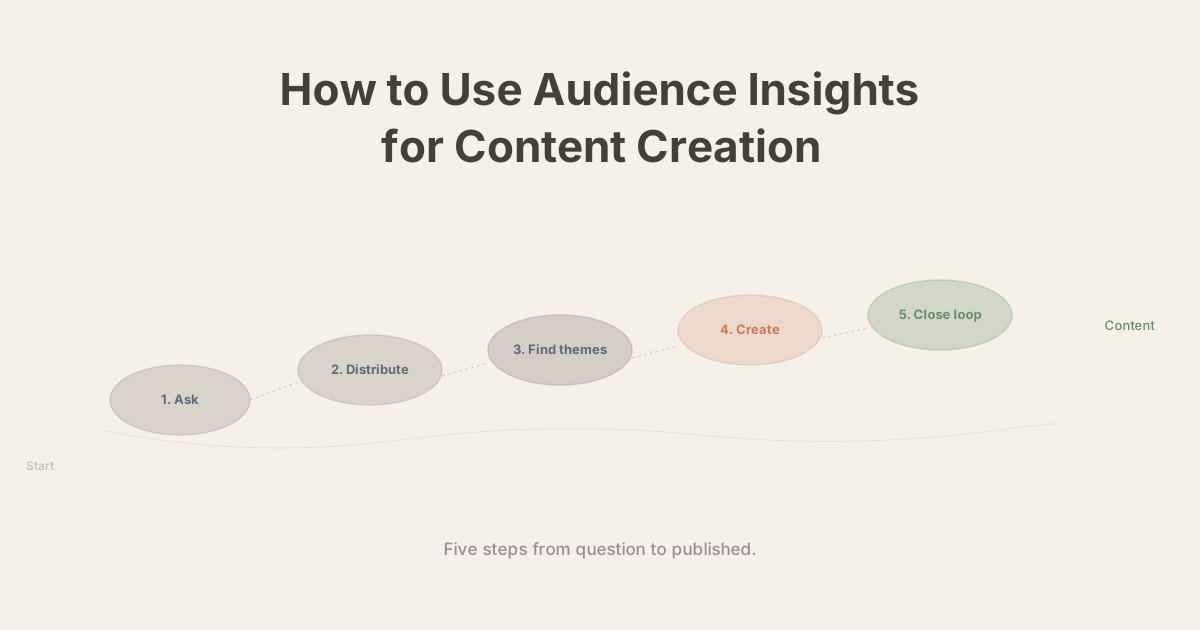
Step-by-step: from question to published content. The process takes 15 minutes to set up and one hour of reading per cycle.

Creators brainstorm in isolation. Their audience already knows what's missing. The gap is structural, not creative.

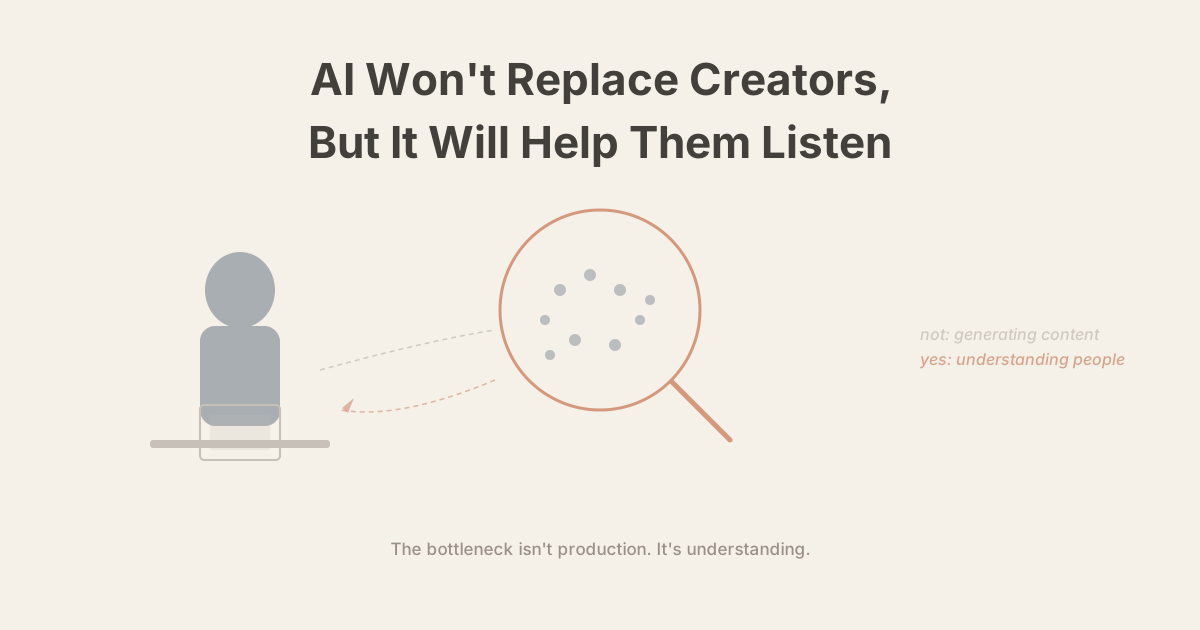
One open question to your audience can generate more actionable content direction than any brainstorm session you'll run alone.

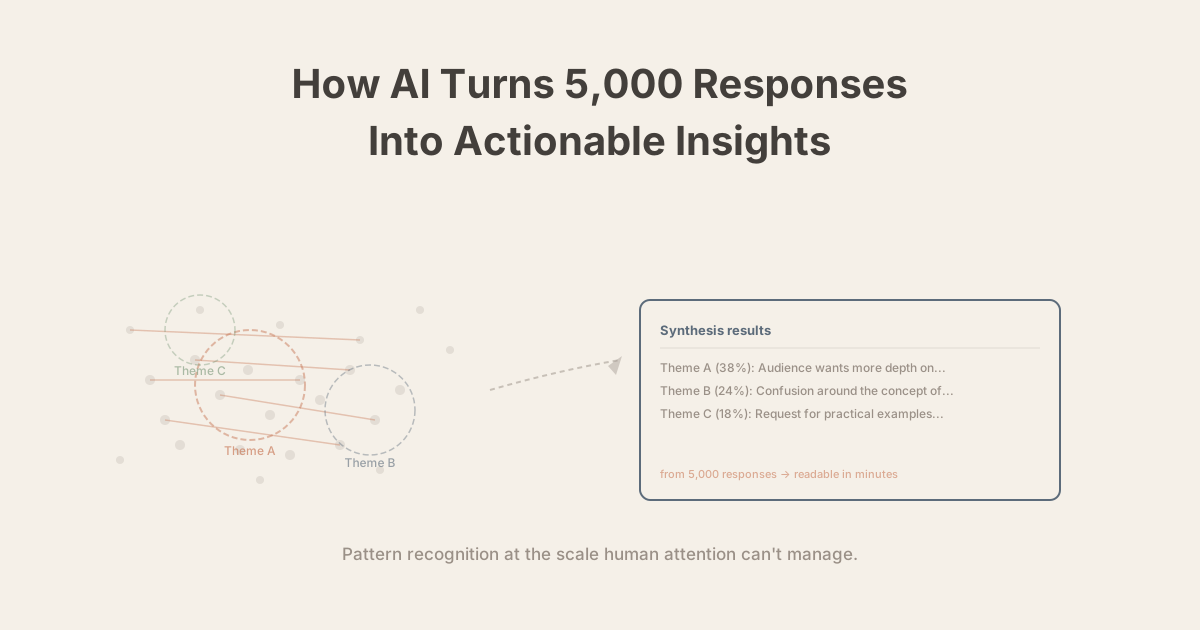
The difference between 12 responses and 1,200 isn't reach or timing. It's the question itself.

Your open rate came in. 42%. You still have no idea what your subscribers actually thought about what you wrote.

YouTube community polls get 3-4x more engagement than text posts. They also can't tell you anything that isn't on your list.

Your listeners spend 30 minutes with your voice in their ears. The mechanism for telling you what they thought requires switching apps.

Engagement measures reaction. It doesn't measure depth of thought, quality of relationship, or whether anyone would miss you.

You have more data than creators had ten years ago. You also have a blind spot that all that data tends to create.

Analytics tell you what happened. They don't tell you why — or what your audience wished existed that you never made.

Survey requests are up 71% since 2020. Response rates have been falling for years. The problem isn't your subject line.

Commenters are demographically distinct from your audience. Optimizing for them quietly erodes the rest.

Someone has listened to every episode you've ever published. They found you two years ago, recommended you to their partner, and haven't missed a release since. You've never heard from them. This is probably your most loyal listener. And they almost certainly never will reach out.

I imagine this becoming a place where we actually understand each other a little better. Where the people who have thoughts but don't tweet them—have a voice. Where we can look at a question and see not what the loudest people think, but what everyone thinks.
Get notified about new questions and insights from our community.
Start asking your audience — free